

The SpaceX IPO: Now What?
The biggest IPO in history may also become one of the biggest tests of investor discipline.

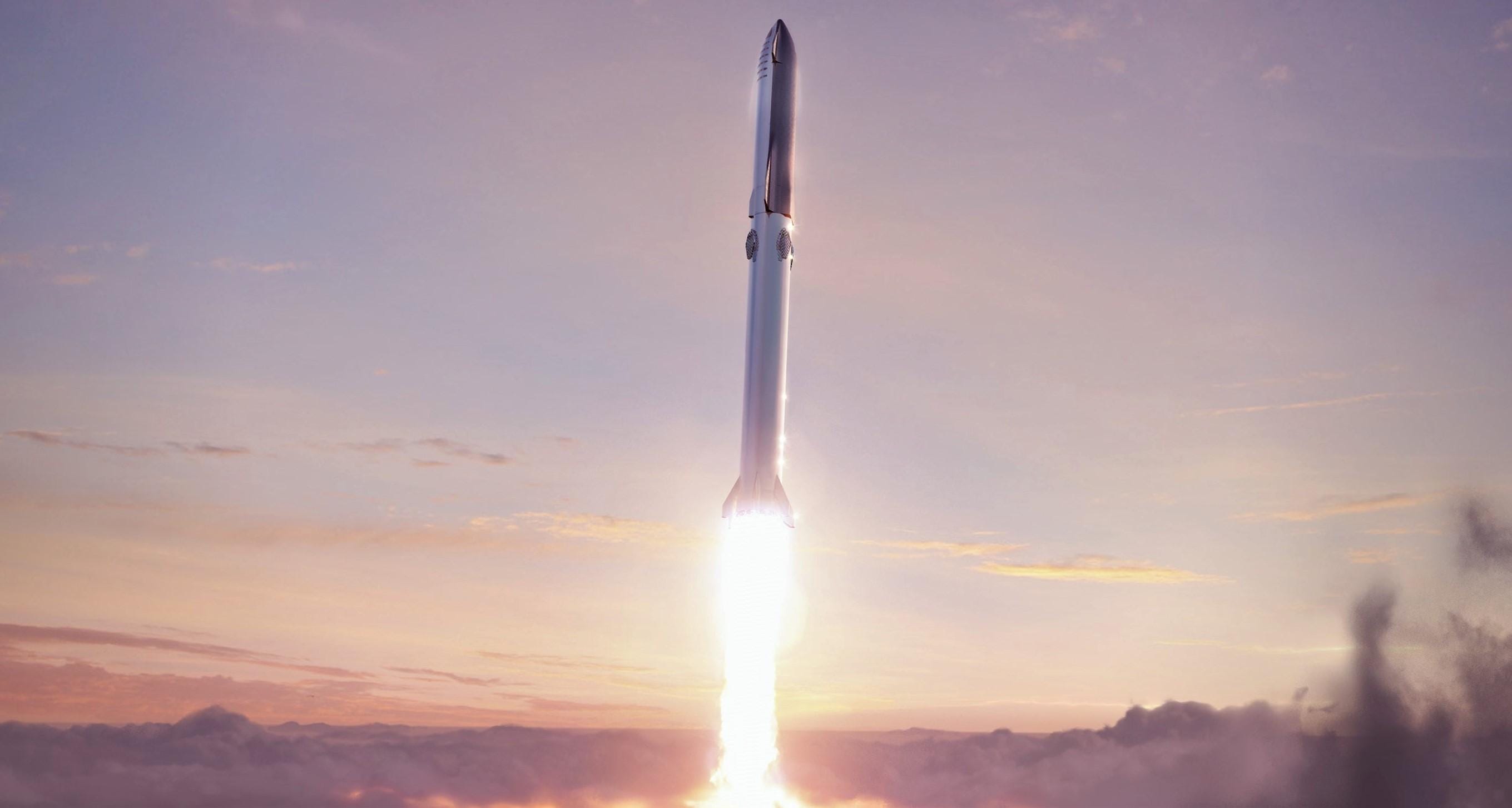
There’s a lot of chatter right now about the upcoming IPO of SpaceX.
And for good reason.
Depending on final pricing, SpaceX (expected ticker: SPCX) could debut at a valuation approaching $1.5–$2 trillion and raise as much as $80 billion in the offering. If that happens, it would become the largest IPO in history.
People aren’t talking about this like a normal stock offering.
Many investors are already treating it like the opportunity of a generation.
And that’s exactly why investors need to slow down.
This Isn’t Just A Rocket Company
The IPO filing revealed something important:
SpaceX is no longer being pitched primarily as an aerospace company.
Today, the real engine of the business is Starlink, the company’s satellite internet network, which reportedly generates the majority of revenue. The company is also positioning itself as an AI infrastructure company through its integration with xAI, data centers, and massive computing ambitions.
That combination — AI + infrastructure + telecom + space technology — is what has Wall Street so excited.
But excitement and investment success are not always the same thing.
The Numbers Are Massive… But So Are The Expectations
The filing reportedly showed:
nearly $19 billion in annual revenue
multibillion-dollar quarterly losses
enormous spending on AI infrastructure
and roughly $15 billion invested into Starship development alone
At the same time, the company reportedly sees a future addressable market of $28.5 trillion.
Read that again.
This IPO is not being sold as a mature business with predictable cash flow.
It’s being sold as a vision of what the company might become over the next decade.
And investors appear willing to pay for that vision today.
At a rumored valuation approaching $2 trillion, some analysts estimate SpaceX could debut at valuation multiples rarely seen in public markets.
That doesn’t mean the company can’t grow into the valuation.
But it does mean investors should understand how much future success may already be priced into the stock.
SpaceX Is Going Public… But Investors Won’t Really Be In Control
There’s another part of this IPO that deserves more attention.
Despite becoming a public company, Elon Musk is expected to retain roughly 85% voting control of SpaceX through a dual-class share structure.
The IPO could also push Elon Musk closer to becoming the world’s first trillionaire, according to multiple reports, further reinforcing how closely investor enthusiasm for SpaceX is tied to Musk himself. Investors are effectively betting not just on a company, but on Elon Musk himself.
That means public shareholders will have very little influence over:
company leadership
strategic direction
governance decisions
or even the ability to remove management
Supporters argue this allows visionary founders to focus on long-term innovation without short-term Wall Street pressure.
Critics argue it limits accountability and shareholder rights.
Regardless of where someone stands on the debate, investors should understand what they are buying.
Because this IPO is not structured like a traditional public company.
The IPO Could Reshape Markets
This may not just be a big IPO.
It may temporarily reshape capital flows across the entire market.
When a company this large comes public:
portfolio managers may sell existing holdings to make room
ETFs and index funds may eventually become forced buyers
and enormous amounts of liquidity can suddenly become concentrated into one company.
In other words: the IPO itself could become a market event.
And if other mega private companies like OpenAI or Anthropic eventually follow, this dynamic could become even more pronounced over the next several years.
The Emotional Side Of Investing
This is where investors need to be careful.
When a company becomes this hyped:
people feel pressure to buy immediately,
social media amplifies the excitement,
investors fear “missing the next Tesla,”
and emotions start replacing discipline.
We’ve seen this before. Some IPOs soar immediately.
Others spike, then fall hard once public markets begin demanding consistent earnings and execution quarter after quarter.
The reality is: nobody knows how the stock will behave in the short term.
And that’s okay.
Long-term investing success is not about owning every exciting company on day one.
It’s about making disciplined decisions that fit your financial plan, risk tolerance, and long-term goals.
Sometimes investors confuse admiration for a company with a disciplined investment process.
Those are not always the same thing.
So Should You Buy It?
That’s the question everyone is asking.
And honestly, for many investors, the better answer may simply be: not yet.
There is nothing wrong with letting a company trade publicly for a few quarters before making a decision.
Let the excitement settle.
Let earnings reports come out.
Let analysts evaluate the business.
Let markets establish a more realistic valuation.
Because right now, many people don’t want to buy SpaceX because they understand the fundamentals.
They want to buy it because:
everyone is talking about it
the ticker will suddenly be everywhere
and nobody wants to feel like they “missed the next big thing.”
That feeling has a name: FOMO.
And historically, FOMO (“fear of missing out”) has probably cost investors more money than almost anything else in markets.
The companies that change the world are not always the best investments on day one.
Sometimes the better investment decision is patience, discipline, and avoiding emotional investing when everyone else is chasing excitement.
Want To Read The Actual Filing?
For those interested, here’s the official SEC filing for the SpaceX IPO: